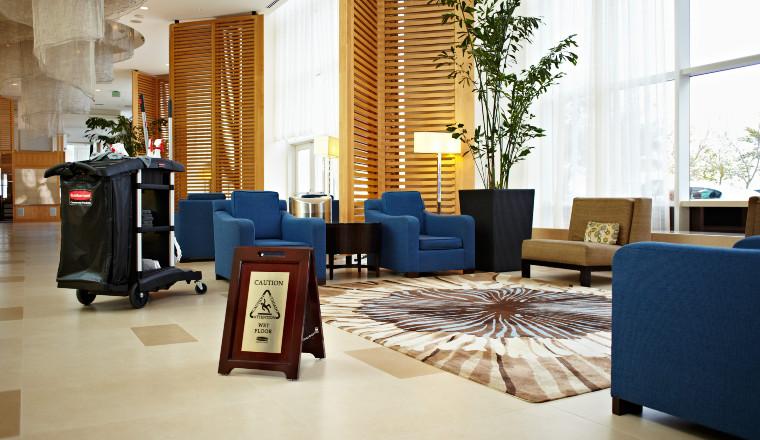
Hotels are more than just places to sleep; they are stages for experiences, memory-making, and personal rejuvenation. In today's highly competitive hospitality landscape, simply offering a visually appealing space is no longer sufficient. Guests now seek a deeper connection, an environment that truly resonates with their needs and desires, moving beyond the superficial. This shift demands a more thoughtful and integrated approach to design.
The true measure of a hotel's enduring success lies in its ability to create an inherently inviting atmosphere. This extends far beyond elegant decor or luxurious finishes. It encompasses a harmonious blend of comfort, intuitive functionality, and emotional resonance that makes every visitor feel genuinely welcomed and completely at ease. It's about crafting an environment that thoughtfully speaks to all senses, from arrival to departure.
Consider the subtle, yet powerful, cues that shape a guest's perception: the quality of natural and artificial light, the ambient soundscape that promotes tranquility, the tactile sensation of carefully selected materials, and even the discreet, pleasant scent. These often-overlooked elements collectively contribute to a holistic experience, transforming a mere overnight stay into a truly memorable journey. A genuinely inviting space anticipates and fulfills unspoken desires for comfort and calm.
In an era where travel reviews and social media significantly influence choices, hotels must prioritize creating spaces that not only look exceptional in photographs but also *feel* extraordinary in reality. This requires a comprehensive, integrated approach to design that places the guest's well-being and profound comfort at its very core. It represents a valuable investment in cultivating lasting guest loyalty and positive word-of-mouth.
Spottix understands this profound industry shift. We recognize that the future of hospitality design lies in crafting environments that foster genuine connection and provide a true sanctuary from the everyday demands of modern life. Our specialized expertise helps hoteliers move beyond conventional aesthetics to cultivate spaces that truly captivate and comfort their guests, thereby encouraging repeat visits and stronger brand affinity.
This article explores the multifaceted aspects of designing hotel spaces that transcend mere visual appeal. We delve into the critical elements that contribute to a truly inviting ambiance, from the psychological impact of thoughtful design choices to the practical implementation of sensory enhancements. The ultimate goal is to create environments that guests not only appreciate but genuinely cherish and long to return to.
Key Areas for Creating Inviting Spaces
-
Lobby & Reception Areas: As the initial point of contact, these spaces set the foundational tone for the entire guest stay. Thoughtful design here can significantly reduce perceived wait times and instantly convey a sense of warmth and sophisticated welcome, making guests feel immediately at home and valued.
-
Guest Rooms & Suites: Serving as a personal retreat, these private areas demand an unwavering focus on profound comfort, quietude, and intuitive functionality. Integrating elements that promote deep relaxation and offer discreet technological conveniences greatly enhances the feeling of a personalized, restorative sanctuary.
-
Dining & Social Hubs: More than just places to eat, these vibrant zones foster community and meaningful interaction. Design should actively encourage lingering, offering varied seating options and flexible lighting schemes that gracefully adapt to different times of day, creating consistently vibrant yet deeply comfortable atmospheres.
Expert Perspectives on Holistic Design
Experts in contemporary hospitality design increasingly champion the thoughtful integration of *biophilic elements*. Incorporating abundant natural light, lush indoor greenery, and organic textures has been consistently shown to positively impact guest mood and significantly reduce perceived tension. This approach moves beyond simple decorative plants, embedding nature into the very fabric of the building to create inherently serene and beautifully balanced environments.
The evolving role of *smart technology* in enhancing guest comfort is another critical discussion point among industry leaders. While some argue for minimal tech integration to preserve a sense of escape, others advocate for seamless, intuitive systems that anticipate guest needs without being overtly visible. The prevailing consensus leans towards technology that subtly supports comfort and convenience, such as adaptive lighting or personalized climate control.
A recurring debate among designers centers on finding the optimal balance between *hyper-personalization* and universal appeal. While tailoring experiences to individual guest preferences can be incredibly valuable, overly specific designs risk alienating other visitors. Many designers now propose a flexible framework that allows guests to personalize their immediate surroundings within a broadly welcoming and sophisticated aesthetic, ensuring wide appeal.
The tactile experience, though often receiving less attention than visual appeal, significantly influences overall guest comfort and satisfaction. The choice of luxurious fabrics, the smoothness of surfaces, and even the substantial weight of cutlery all contribute profoundly to the overall perception of quality and meticulous care. Investing in materials that are pleasing to touch elevates the guest experience, fostering a sense of understated luxury and profound well-being.
Ultimately, the strategic investment in creating truly inviting spaces is not merely an expense but a foundational element for sustained operational success and guest loyalty. Design choices that consistently prioritize guest comfort and emotional connection cultivate strong brand loyalty and generate invaluable positive word-of-mouth. These elements combine synergistically to create an unforgettable stay, encouraging guests to return repeatedly and become brand advocates.
Final Observations and Recommendations
Moving beyond superficial aesthetics to cultivate genuinely inviting hotel spaces is a strategic imperative for modern hospitality. It demands a holistic perspective that seamlessly integrates sensory experiences, highly functional design, and authentic emotional connection, ensuring every guest feels truly valued and deeply cared for.
By thoughtfully focusing on elements like biophilic design, intuitive yet discreet technology, and carefully chosen tactile materials, hotels can craft environments that resonate deeply and authentically with their visitors. These considered design choices transform a simple overnight stay into an enriching, memorable, and highly personal experience.
For properties looking to powerfully differentiate themselves and foster enduring guest relationships, the path is clear: prioritize the creation of spaces that are not just visually beautiful, but profoundly comfortable, engaging, and genuinely welcoming. This is precisely where Spottix excels in assisting properties to bring these inspiring visions to life with precision and creativity.



Eloise Stone
This article really highlights the importance of sensory design beyond just visuals. It's a great reminder that true luxury is felt, not just seen.
Ivan Kelly
I appreciate the emphasis on biophilic elements. Bringing nature indoors always makes a space feel more calming and welcoming. Spottix seems to understand this well.
Chad Taylor
Interesting points on technology integration. Finding that balance between convenience and unobtrusiveness is definitely key in modern hotel design. Good read.
Reply to @1: Absolutely! We believe that the subtle details create the most lasting impressions. Thank you for your insightful feedback.
Reply to @2: We completely agree. Biophilic design offers profound benefits for guest well-being. It's a cornerstone of creating truly inviting spaces.